
The aviation industry continues to face a well-documented shortage of engineering and maintenance personnel. Research from the Royal Aeronautical Society. highlights that this is not a short-term gap, but a long-term structural challenge requiring sustained investment in people, training, and career development.
At Affinity, we have taken a deliberate approach: focusing on strengthening our internal capability to develop, retain, and progress engineering talent.
Moving Beyond Recruitment: A Focus on Development
The Royal Aeronautical Society identifies several root causes behind the shortage:
- An ageing workforce and changing demographics
- Reduced training pipeline capacity and uneven access to training providers
- Barriers to entry, including awareness and accessibility of engineering careers
- Limited industry capacity to scale training opportunities quickly
The report highlights that industry cannot rely solely on external recruitment to close the gap, and must instead invest in developing talent internally and strengthening training pathways.
While attracting new entrants into aviation engineering remains important, the Royal Aeronautical Society emphasises that building sustainable capability depends equally on how organisations develop their existing workforce.
This includes supporting pathways aligned with recognised licensing standards such as Part 66, and the development of B1 licensed engineer and B2 licensed engineer roles to meet industry demand.
Reflecting on this, Affinity has focused on developing a clear, structured approach to engineering development, ensuring individuals are supported from entry-level roles through to fully licensed engineers.
Introducing the Trainee Aircraft Technician Programme
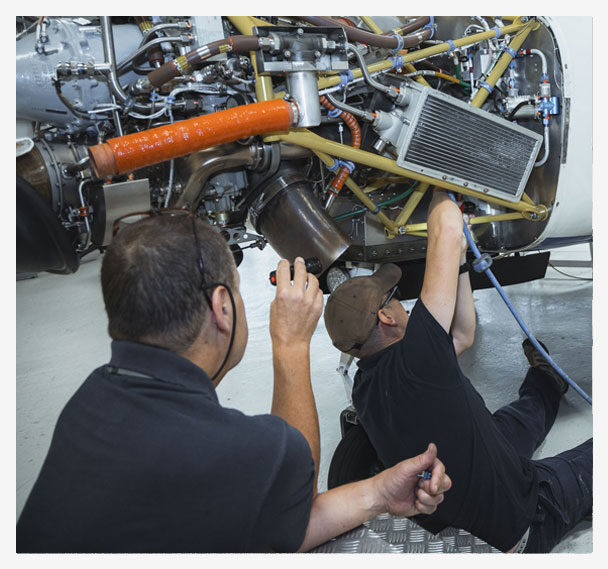
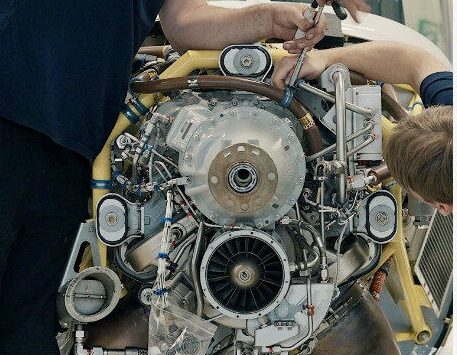
A key milestone in this approach has been the introduction of a Trainee Aircraft Technician role, supported by a structured two-year development programme.
This programme has been designed to provide:
- A strong foundation in aircraft maintenance principles
- Practical, hands-on experience in an operational environment
- Progressive skill development aligned with industry expectations
By investing early in talent, Affinity is creating a reliable entry point into aviation engineering while ensuring consistent standards of training and development.
This approach is also complemented by early engagement with young people through organisations such as the Air League, APPG, Cadet Groups, and education-focused initiatives, supporting awareness of aviation engineering pathways at a critical stage
Creating a Clear Pathway to Licensed Engineer
To complement this, Affinity has established a formal progression pathway that maps career development from trainee level through to licensed engineer status.
A key part of this structure is the introduction of a Certifying Aircraft Technician role, which strengthens the middle tier of the engineering workforce. This role provides a critical stepping stone between foundational training and full licensing, enabling individuals to take on greater responsibility while continuing to build competence and experience.
This clearly defined pathway:
- Provides transparency around career progression
- Supports retention by giving employees clear long-term goals
- Aligns individual development with operational requirements
Tailored Training to Accelerate Capability
Alongside role development, Affinity has implemented tailored on-the-job training and learning modules aligned with industry standards.
These programmes are designed to:
- Accelerate technical capability development
- Ensure consistency in skills and knowledge across teams
- Support engineers in meeting regulatory and operational requirements
This structured approach reflects a key theme highlighted by the Royal Aeronautical Society, that training must evolve to keep pace with the increasing complexity of modern aircraft systems.
A Fully Defined Engineering Development Framework
As a result of these initiatives, Affinity now operates with a fully defined engineering development framework.
This framework delivers:
- Strong internal capability to grow engineering talent
- Clearly visible and structured progression routes
- High levels of engagement driven by career clarity and opportunity
By embedding development into the organisation, Affinity is reducing reliance on external hiring while building a more resilient and self-sustaining engineering workforce.
Supporting Industry-Wide Change
The Royal Aeronautical Society emphasises that addressing the engineering shortage will require coordinated action across industry, training providers, and government.
Affinity’s approach demonstrates how this challenge can be addressed in practice, by investing in people, creating structured pathways, and developing capability from within.
By introducing new entry routes, strengthening progression pathways, and aligning training with industry standards, Affinity is not only responding to today’s skills shortage, but helping to build a more sustainable future for aviation engineering.
"By investing in people, structured development, and clear progression, we are building an exciting and resilient engineering workforce for the future of aviation." - Louise Lambert, Head of HR and Training
"The skills shortage in aviation engineering won’t be addressed through short-term fixes alone. At Affinity, we are taking a long-term people-focused approach investing in people, creating clear and accessible pathways to licensing, and building the internal capability needed to develop talent from within. This is not a one-off initiative, but a sustained commitment to strengthening our engineering community and supporting the future of the industry.” - Matt Hooton, HR Business Partner